Read Time: ~7 minutes
Who’s it for: This guide is for business owners, marketers, freelancers, and beginners who want to turn “random posting” into a structured, effective social media strategy that actually delivers results.
🚀 Introduction
Social media is no longer just a space for casual conversations—it has become the beating heart of digital marketing. Brands that once relied on television or print ads now find themselves competing for attention in Instagram feeds, TikTok trends, and LinkedIn articles. Yet, despite the massive potential, many businesses still treat social media as an afterthought, posting sporadically without a clear direction.
This is where a social media strategy becomes critical. Instead of wasting resources on random content, a strategy provides structure, purpose, and measurable results. In 2025, when algorithms evolve almost monthly and new platforms emerge rapidly, having a well-defined plan isn’t just important—it’s survival.
In this guide, we’ll break down the step-by-step process of building a winning social media strategy that helps you grow your brand, engage your audience, and stay ahead of competitors.
1️⃣ Define Your Goals: The Foundation of Social Media Strategy
Every successful journey begins with a destination. In the world of digital marketing, that destination is your goal. Without it, you risk creating content that looks appealing but delivers no real results.
Why goals matter
A clear goal allows you to measure success. For example, “gain more followers” is vague, while “increase Instagram followers by 20% in three months” is specific and measurable.
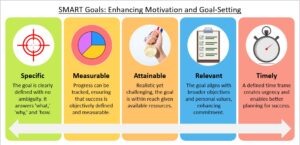
The SMART framework
-
Specific: Define what you want. (e.g., Increase LinkedIn leads)
-
Measurable: Attach numbers. (e.g., 200 new leads per month)
-
Achievable: Set realistic expectations.
-
Relevant: Align with your broader business objectives.
-
Time-bound: Add a clear deadline.
Example
❌ Bad goal: “We want more engagement.”
✅ Good goal: “Boost engagement rate on Instagram posts by 15% over the next 90 days.”
Mistakes to avoid
-
Chasing vanity metrics like followers without focusing on conversions.
-
Having too many goals at once, which dilutes effort.
A social media strategy without clear goals is like sailing without a compass—you might move, but you’ll rarely move in the right direction.
2️⃣ Deeply Understand Your Target Audience
nowing your audience is the backbone of any social media strategy. Without this, you’re shouting into the void.
Who are they?
-
Demographics: Age, gender, income, education.
-
Psychographics: Interests, beliefs, lifestyle.
-
Behavior: Platforms they use, content they prefer, buying habits.
How to gather insights
-
Analytics tools: Instagram Insights, YouTube Studio, LinkedIn Analytics.
-
Surveys & polls: Directly ask your audience what they want.
-
Social listening tools: Track conversations about your brand/industry.
Example persona
Meet “Aditi,” a 24-year-old content creator who spends three hours daily on Instagram and TikTok, prefers short-form video, and values eco-friendly brands. By knowing Aditi, you can tailor content that resonates with her directly.
Mistakes brands make
-
Assuming all audiences behave the same.
-
Copying competitor content without validating it with their own followers.
A brand’s social media strategy thrives when the audience feels understood.
3️⃣ Pick the Right Platforms (Don’t Be Everywhere)
One of the most common mistakes brands make is trying to be active everywhere. Instead, your social media strategy should prioritize platforms that match your audience.
-
Instagram → Creative, visual, trend-driven content
-
LinkedIn → B2B networking and thought leadership
-
YouTube → Long-form tutorials and storytelling
-
Pinterest → Lifestyle, DIY, e-commerce inspiration
-
X (Twitter) → Real-time updates, trending conversations
👉 Pro Tip: Start with 2–3 platforms, master them, then expand.

4️⃣ Craft a Strong Content Strategy
Content is the fuel that powers your social media strategy. But not all content is equal—some entertains, some educates, and some drives sales.
Content pillars
Define 3–5 main themes around which your content revolves. For example:
-
Educational: How-to guides, tutorials.
-
Entertaining: Memes, challenges, relatable posts.
-
Promotional: Product showcases, offers.
-
Engagement-focused: Polls, quizzes, user-generated content.
70/20/10 rule
-
70% valuable content (education + entertainment).
-
20% curated from others (sharing insights).
-
10% promotional content.
Case study
Zomato’s witty posts blend humor with promotions, creating a unique identity. Their social media strategy shows that you can sell without being “salesy.”
5️⃣Scheduling and Consistency
Consistency is what separates serious brands from hobbyists. A great social media strategy includes a posting calendar.
Best times to post (2025 trends)
-
Instagram: 6 PM – 9 PM.
-
LinkedIn: Weekdays, 9 AM – 12 PM.
-
YouTube: Weekends, late afternoon.
Tools to automate
-
Buffer
-
Hootsuite
-
Later
-
Notion calendars
Common mistakes
-
Posting five times in one week and disappearing the next.
-
Ignoring engagement after scheduling.

6️⃣ Engagement: Building Relationships, Not Just Followers
A powerful social media strategy doesn’t just chase numbers—it builds communities.
Tips for engagement
-
Reply to comments within 24 hours.
-
Use polls, Q&As, and contests.
-
Showcase user-generated content.
-
Address DMs like customer service requests.
Example
Sephora often re-shares customer makeup looks, making followers feel valued while subtly promoting products.
7️⃣ Data-Driven Social Media Strategy: Tracking and Analytics
You can’t improve what you don’t measure. Tracking is the secret weapon of a winning social media strategy.
Metrics to track
-
Reach & impressions.
-
Engagement rate.
-
Click-through rate (CTR).
-
Conversion rate.
-
Customer acquisition cost.
Tools
-
Native insights (Instagram, LinkedIn).
-
Google Analytics.
-
Sprout Social / HubSpot.
Example
A brand noticed Instagram reels performed 3x better than static posts. By reallocating resources, engagement grew 40% in 3 months.

8️⃣ Adapting to Trends & Staying Flexible
Social media evolves constantly, and your social media strategy must keep up.
Key trends in 2025
-
AI-driven personalization.
-
Short-form video dominance.
-
Rise of micro-influencers over celebrities.
-
Social commerce (buying directly within apps).
Mistake to avoid
Jumping on every trend without aligning it to your brand’s voice.
9️⃣ Case Studies & Real-World Examples

Nike
Uses storytelling campaigns like “Just Do It” to inspire and build emotional connections.
Zomato
Masters witty one-liners that drive massive shares and brand recall.
Small Business Example
A local café grew its audience by posting behind-the-scenes reels of coffee-making and engaging with community hashtags.
Each proves that a strong social media strategy can scale businesses big and small.
🔟 Common Mistakes to Avoid
-
Posting without a clear strategy.
-
Over-promoting products.
-
Ignoring analytics.
-
Being inconsistent.
-
Copying competitors blindly.
🎥 Additional Resources
🎯 Final Thoughts
Creating a winning social media strategy isn’t about hacks or shortcuts—it’s about clarity, consistency, and connection.
To recap:
-
Define clear goals
-
Know your audience
-
Choose the right platforms
-
Craft a strong content strategy
-
Stay consistent with scheduling
-
Engage with your community
-
Measure & improve continuously
With the right playbook, you’ll stop posting for the sake of posting and start winning with purpose.
Pingback: Social Media Content Guide: Types & Winning Strategy 2025
Pingback: Top Social Media Campaigns of 2025 with Best ROI Results